By the time I finished my dissertation, AI had exploded. It opened new possibilities for learning: personalized instruction, faster insight from data, and real-time feedback for students. It also posed real risks. If not navigated wisely, it could weaken how students learn to think for themselves, how they relate to one another, and our shared ability to tell what is true, which a healthy democracy depends on. Leaders were trying to navigate the power of AI without a map.
Underneath it all was a bigger question. Much of what our education system was built to do, machines can now do faster. What they cannot do is the work of becoming a whole person: thinking for yourself, building real relationships, discerning what is true, and acting with purpose. Our system was never designed with that as its aim. Some educators have pursued that vision for decades. AI made it urgent, and more leaders began to ask: what would education look like if we designed it for whole human development?
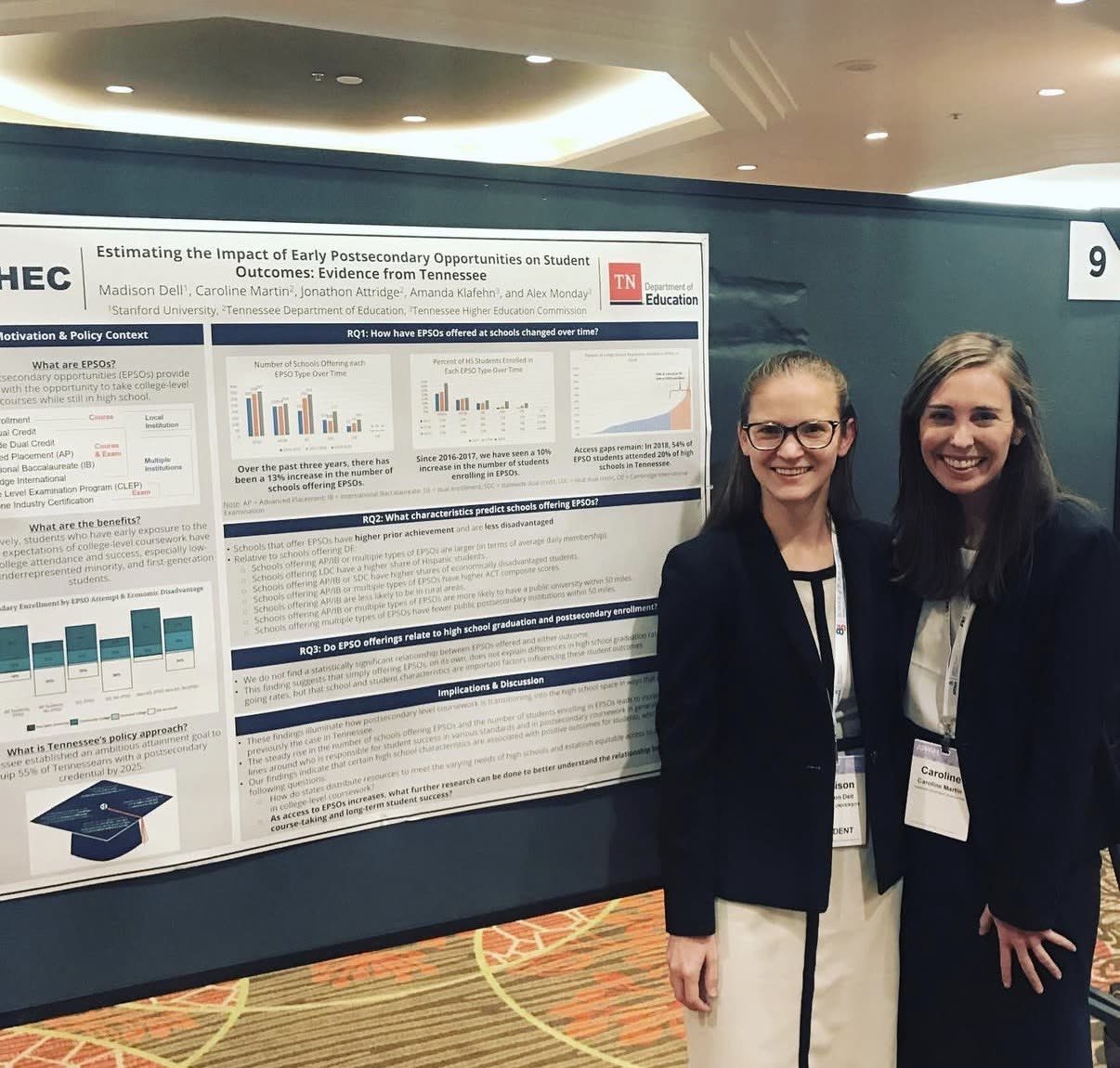
I realized my path had prepared me for this moment. I had studied human development and the research on educating for human flourishing. I knew how to design rigorous research and put data to work. And my experience in the classroom, in state government, and in nonprofit leadership had taught me how to think about change at scale.
I founded Treetops to bring that experience to leaders navigating this moment. Some lead schools and networks that are reimagining learning. Others prepare and support teachers, and are asking what needs to change, where the risks lie, and how these tools can strengthen teaching. I help them translate the latest research on human flourishing into practical designs, build in the evidence to know what’s working, and lead change that lasts, so education truly prepares students for a flourishing life.